
Exploring the psychology behind gambling habits
The allure of chance and risk
The allure of gambling often stems from the inherent excitement associated with the concept of chance. Many individuals are captivated by the unpredictability that allows for the possibility of a windfall with every flip of a card or roll of dice, and those looking for adventure might consider experiences like a hot air balloon ride available at https://hotairballoon-goldcoast.com/ to complement their thrilling casino outings. This sense of risk can be intoxicating for some, offering an escape from the mundane aspects of everyday life. Engaging in risky behavior, such as gambling, can create a rush of adrenaline that is difficult to replicate in conventional settings, leading individuals to return for more thrilling experiences.
This psychological phenomenon is closely linked to the brain’s reward system, which releases dopamine in response to pleasurable activities. Winning does not merely provide a financial incentive; it also reinforces the behavior by creating a pleasurable mental state. Conversely, the thrill of the gamble can lead to a cycle of risk-taking where losses are perceived as temporary setbacks rather than permanent failures. For many, the notion of winning against the odds becomes a powerful motivator that overshadows rational thinking, pushing them deeper into the gambling world.
Moreover, creating an environment where small wins are frequent can enhance the habitual nature of gambling. Casinos and online gambling platforms are meticulously designed to provide players with reinforcement, often in the form of small jackpots or bonuses. This creates a feedback loop where gamblers feel rewarded for their participation, reinforcing the desire to continue playing. In this way, the psychology behind gambling habits is not solely about the potential for profit but also about the emotional highs and lows experienced throughout the process, compelling individuals to keep returning for more excitement.
The role of cognitive biases in gambling
Cognitive biases significantly influence gambling behavior and decision-making processes. One common example is the “gambler’s fallacy,” where individuals mistakenly believe that past events will influence future outcomes. For instance, a player may think that after losing several consecutive games, they are more likely to win next, as if luck must eventually change in their favor. This misconception can lead to increased betting and poor financial decisions, trapping individuals in a continuous cycle of hope and disappointment, often exacerbating their gambling habits.
Another cognitive bias that contributes to gambling behavior is the illusion of control. Many gamblers harbor the belief that they can influence the outcomes of games through strategies or techniques, despite the inherent randomness involved, especially in games of chance like slots or roulette. This belief can empower players, prompting them to take risks they might otherwise avoid, as they feel capable of altering their fate. This perception can lead to excessive gambling, as individuals chase their perceived control over outcomes, often leading to increased losses and frustration.

Furthermore, the availability heuristic may further distort a gambler’s perspective. When individuals recall vivid memories of significant wins or victories from friends, they may underestimate the likelihood of losses. This distorted view can fuel the belief that gambling is a viable means of income or entertainment, overshadowing the statistical reality that long-term losses are more common than the occasional windfall. Thus, cognitive biases intricately weave into the fabric of gambling habits, significantly influencing behavior and shaping attitudes towards risk-taking.
Emotional factors driving gambling behavior
Emotions profoundly influence gambling habits, with stress and escapism often propelling individuals to seek out gambling activities. For many, gambling serves as a temporary refuge from life’s struggles, providing a distraction from problems or an outlet for pent-up frustrations. The anticipation of a potential win generates feelings of hope and excitement, allowing individuals to escape reality, if only for a moment. In this way, gambling can become a coping mechanism, initially providing relief but potentially leading to destructive consequences over time.
Moreover, social influences can amplify the emotional factors associated with gambling. The camaraderie experienced in communal settings, such as casinos or online platforms, can enhance the emotional high derived from participation. Witnessing others win or sharing in the thrill of a game can create a sense of belonging, making it appealing for individuals seeking connection. However, this social environment can also perpetuate unhealthy gambling habits, as peer pressure may encourage excessive play and further entrench individuals in their gambling behavior.
Additionally, feelings of guilt or shame can lead individuals to gamble in secrecy or excessively as they attempt to recover losses. This emotional rollercoaster not only strains personal relationships but can also resonate on a psychological level, creating a cycle of despair and compulsive behavior. Consequently, emotional factors emerge as significant drivers of gambling behavior, often complicating individuals’ relationships with money and risk, making it imperative to address these issues in any discussion about gambling habits.
Societal influences on gambling habits
The societal context in which individuals operate plays a crucial role in shaping gambling behavior. Cultural attitudes towards risk and chance can either normalize or stigmatize gambling activities. In societies where gambling is celebrated and integrated into entertainment, individuals may be more inclined to participate, perceiving it as a harmless pastime. Consequently, exposure to gambling across various media—television, movies, and online platforms—can reinforce its acceptance and desirability, influencing individuals to adopt such behaviors and potentially leading to increased gambling participation.
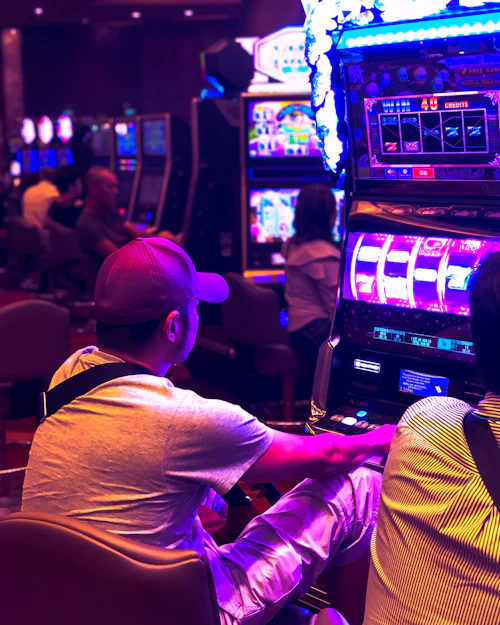
Additionally, the availability of gambling venues and online platforms has significantly transformed how individuals engage with gambling. The proliferation of mobile applications and internet-based games has made gambling more accessible than ever, enticing individuals to participate with minimal barriers to entry. This ease of access may contribute to impulsive decisions, as individuals can gamble anytime and anywhere, making it increasingly challenging to establish boundaries regarding spending and time dedicated to gambling activities.
Economic factors also play a vital role in gambling habits. During times of economic stress, individuals may turn to gambling as a potential solution to their financial woes, viewing it as a quick fix to their problems. The belief in achieving substantial winnings can overshadow rational financial planning, leading to unwise betting decisions. Therefore, societal views, cultural norms, and the economic landscape collectively shape the nature of gambling behavior, further complicating the psychology behind it and necessitating a deeper understanding of these influences.
Understanding gambling habits through self-reflection
To truly grasp the complexities of gambling habits, self-reflection is essential. Individuals must assess their motivations for gambling, exploring the underlying emotional and psychological triggers that drive their behavior. This introspective process can help identify whether gambling serves as a form of healthy entertainment or if it has become an escape from deeper issues. By examining one’s relationship with risk, individuals can make informed decisions regarding their gambling habits, promoting healthier engagement and potentially mitigating negative consequences.
Additionally, understanding personal boundaries is vital to maintaining a balanced approach to gambling. Recognizing limitations concerning time and money can be instrumental in mitigating the potential adverse effects of gambling. Implementing strict budgets and adhering to personal rules can foster a sense of control, helping individuals enjoy gambling activities without succumbing to compulsive behaviors. This empowerment can lead to a more satisfying gambling experience, where the thrill is enjoyed responsibly.
Moreover, seeking support when necessary can aid in addressing problematic gambling habits. Whether through professional counseling, support groups, or educational resources, individuals can find help in navigating their relationship with gambling. Engaging in discussions about experiences and emotions associated with gambling can provide clarity and foster understanding, ultimately leading to healthier habits and improved well-being. The journey to understanding and managing gambling habits may be challenging, but it is a crucial step towards ensuring a more positive relationship with this complex activity.